
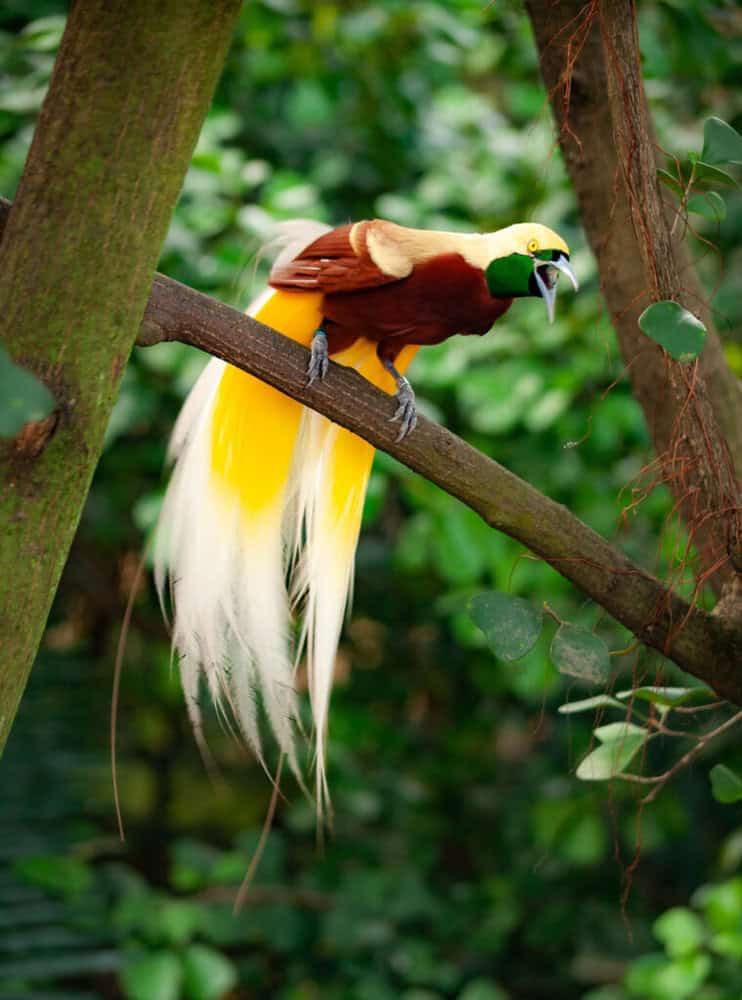
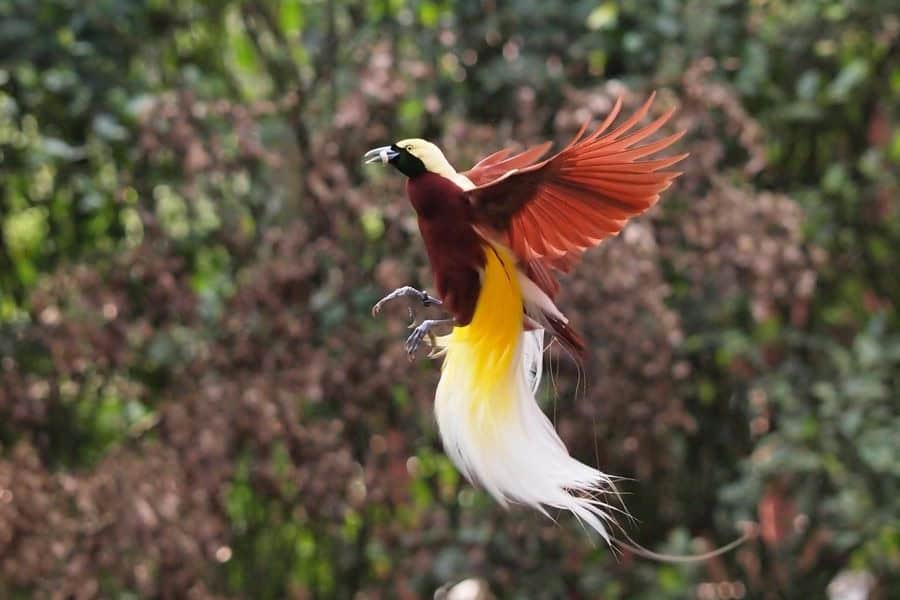
Birds-of-paradise, an enchanting group that includes species like “manucodes” and “riflebirds,” thrive in the diverse landscapes of New Guinea and nearby islands.
Primarily, these tropical birds inhabit rich rainforests, from swampy areas to mossy woodlands. Some species have even been found in coastal mangrove forests, revealing their adaptability to varied environments.
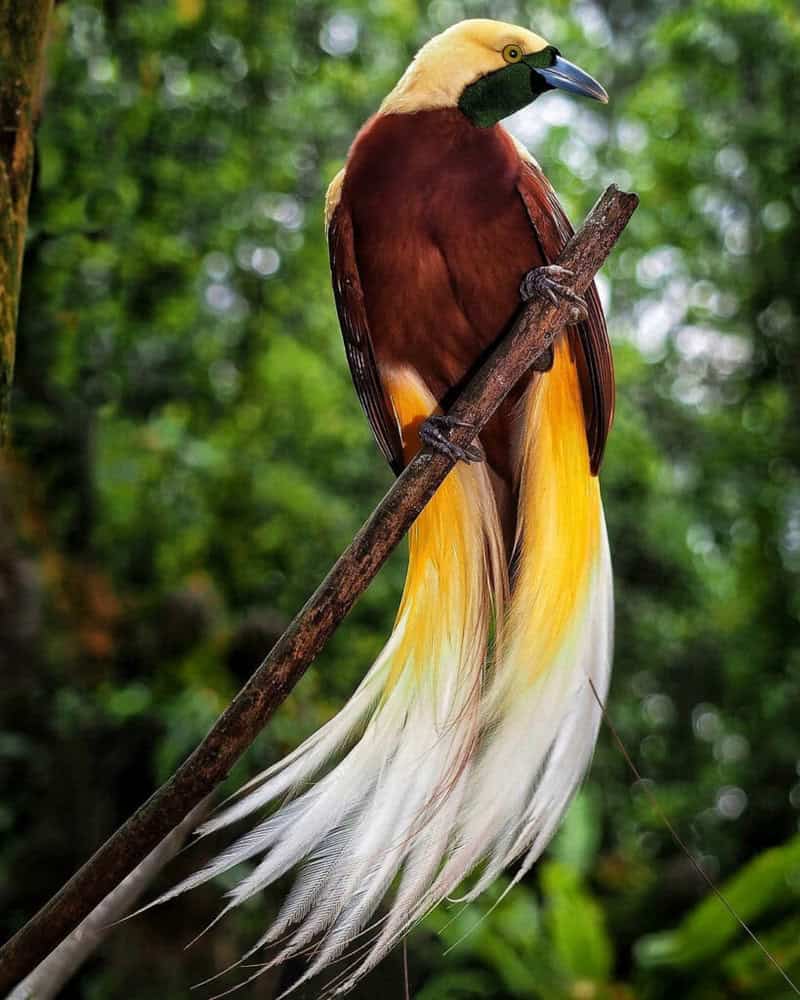
Unfortunately, these birds’ striking feathers have made them targets for hunting, pushing some species within this family to extinction. Indigenous tribes in New Guinea have long used paradise bird feathers in their clothing and rituals.
For centuries, these feathers were also highly prized in Europe as fashionable accessories, leading to a devastating decline in their populations.
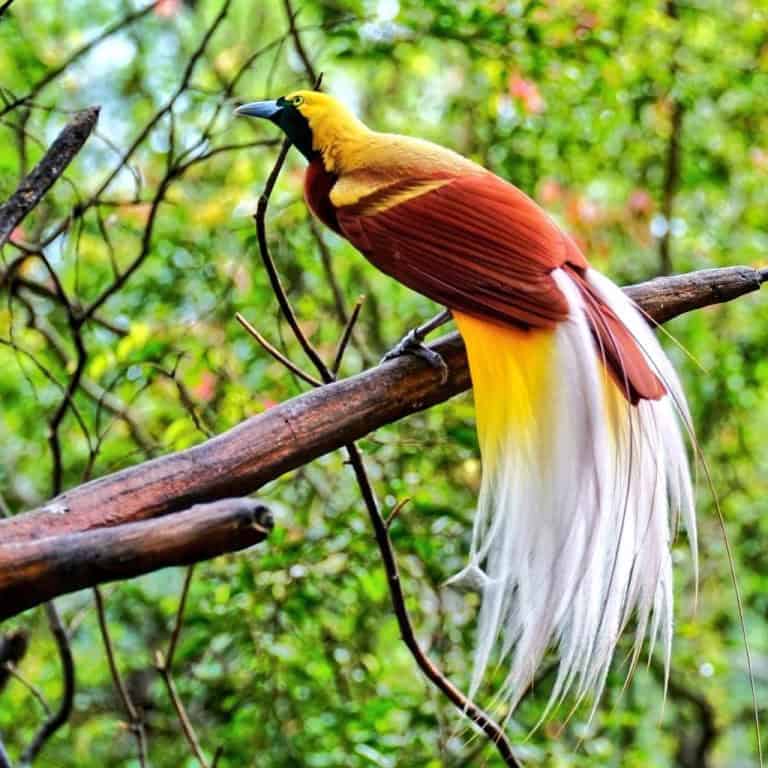
Today, habitat loss due to deforestation threatens their existence, prompting many countries to protect these birds by listing them as endangered.
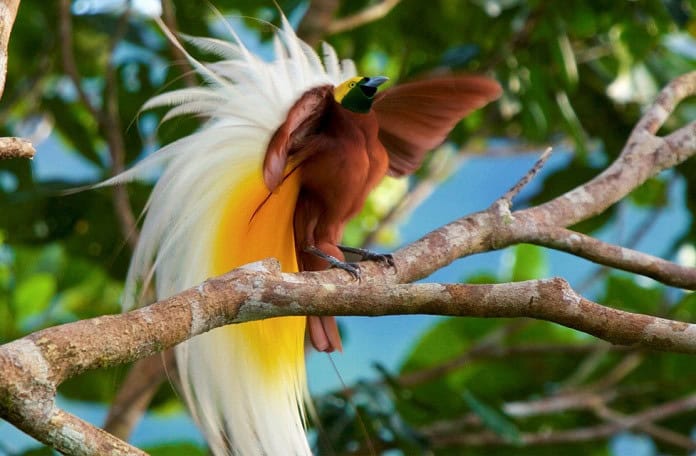
One of the most captivating features of the paradise birds is the males’ elaborate dance displays, which enhance their already remarkable appearance. These dances attract females and captivate anyone watching, making it difficult to look away from these stunning creatures.
Males invest considerable time in these courtship displays, carefully building nests with soft materials like leaves, moss, and vines, often choosing tree hollows as nesting sites. The number of eggs laid varies by species size; larger birds usually lay a single egg, while smaller ones may produce two to three eggs per clutch.
After an incubation period of 16 to 22 days, the eggs hatch, and young birds leave the nest between 16 and 30 days later, ready to embark on their journey in the vibrant ecosystems they call home.

Read More Birds
