
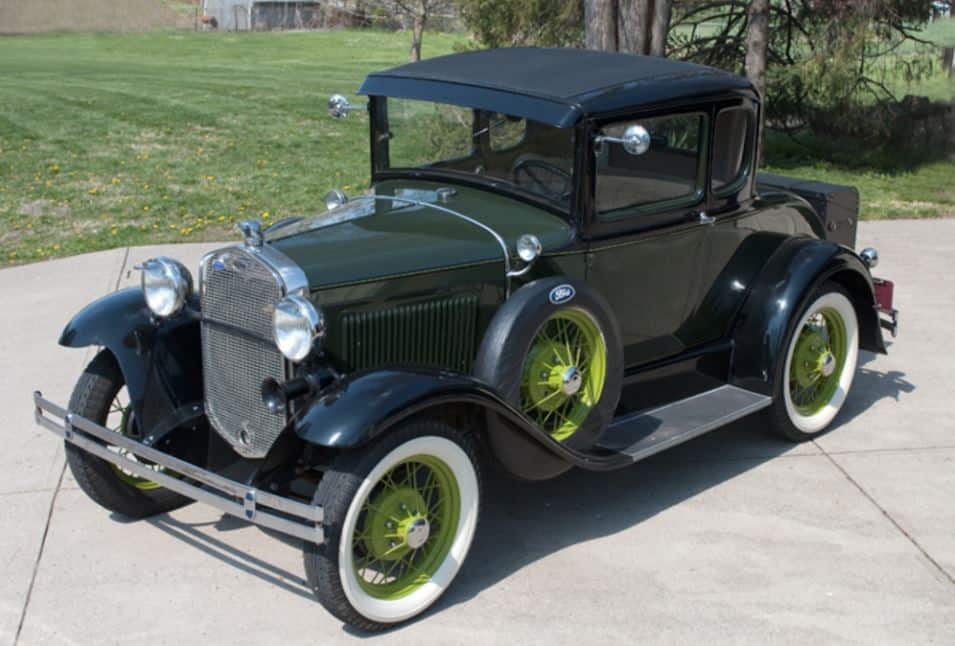
The 1930 Ford Model A is a hallmark in American automotive history, marking a pivotal moment in the industry’s evolution.
Emerging from the shadows of its predecessor, the Model T, this iconic vehicle heralded Ford’s triumphant resurgence into the market with its blend of timeless design and pioneering features.
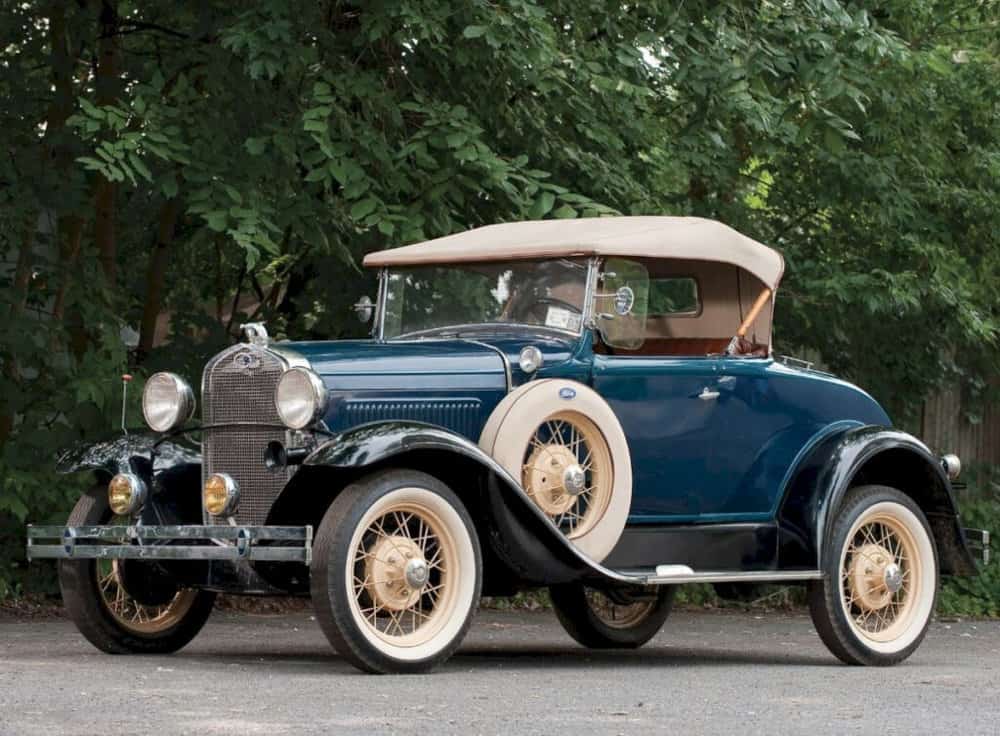
Let’s delve into the journey of the 1930 Ford Model A, tracing its history, design innovations, and enduring legacy.
1. A Historical Journey
After the unparalleled success of the Model T, Ford faced the challenge of reinventing itself for a rapidly changing automotive landscape.
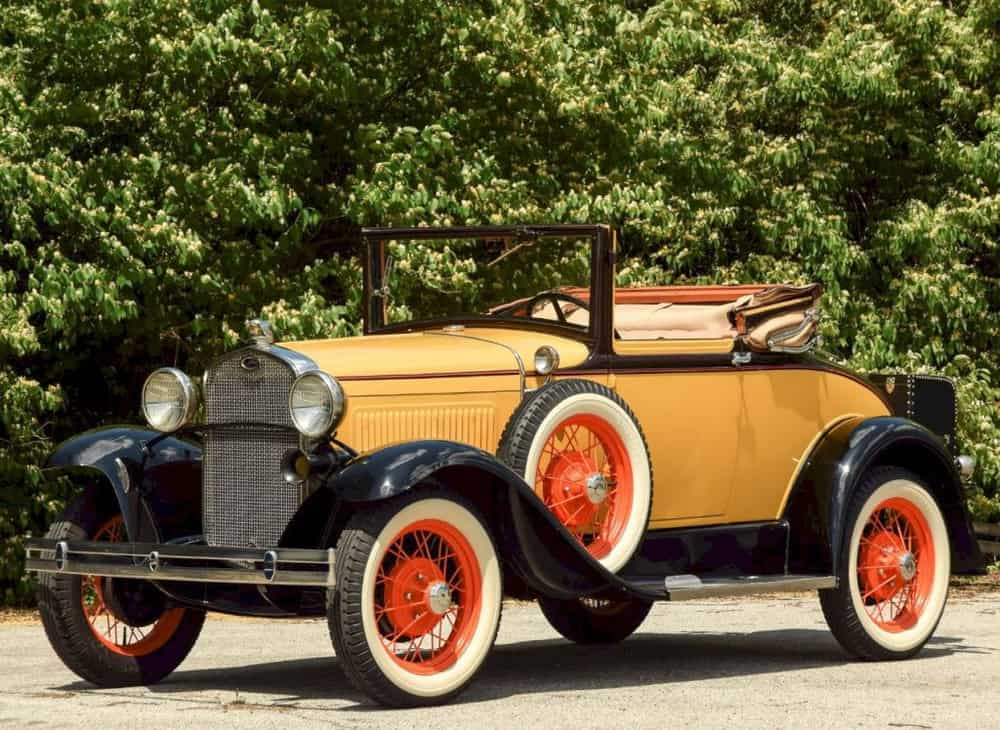
Thus, the Model A was born under the guidance of Edsel Ford, signaling a departure from its predecessor’s outdated design and technology.
Introduced to the public in 1927, the Model A swiftly captured the hearts of American consumers, solidifying Ford’s position as a frontrunner in the industry.
2. Design Evolution
The 1930 Ford Model A showcased a leap forward in design and functionality compared to the Model T.
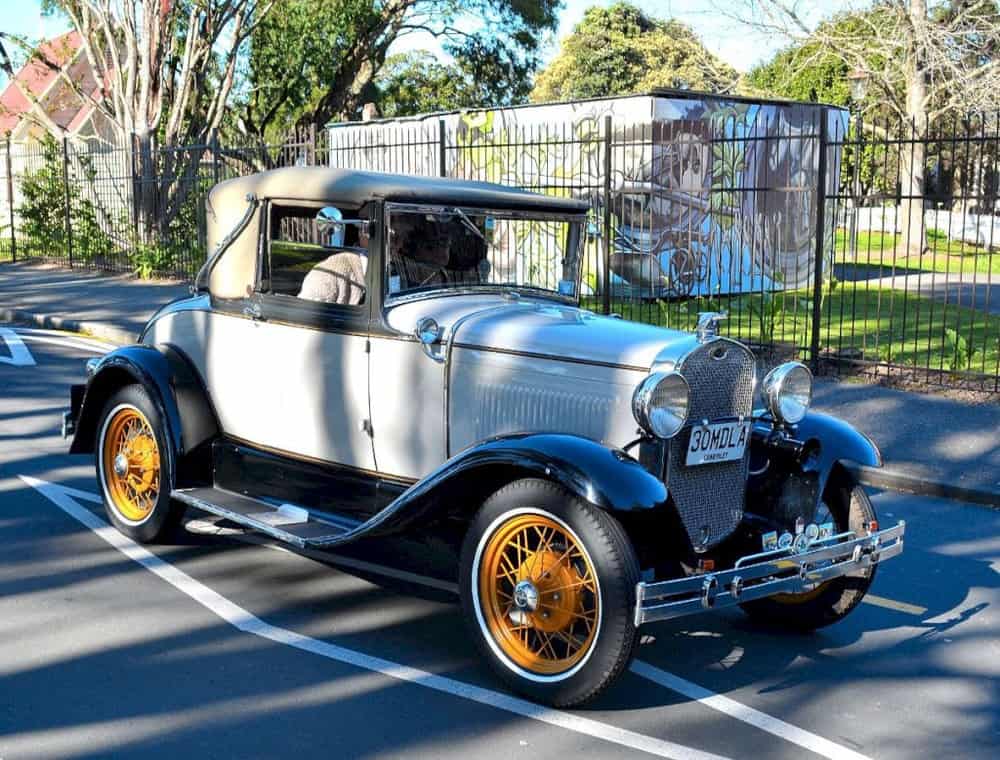
Featuring a robust water-cooled engine generating 40 horsepower, it boasted improved performance and reliability.
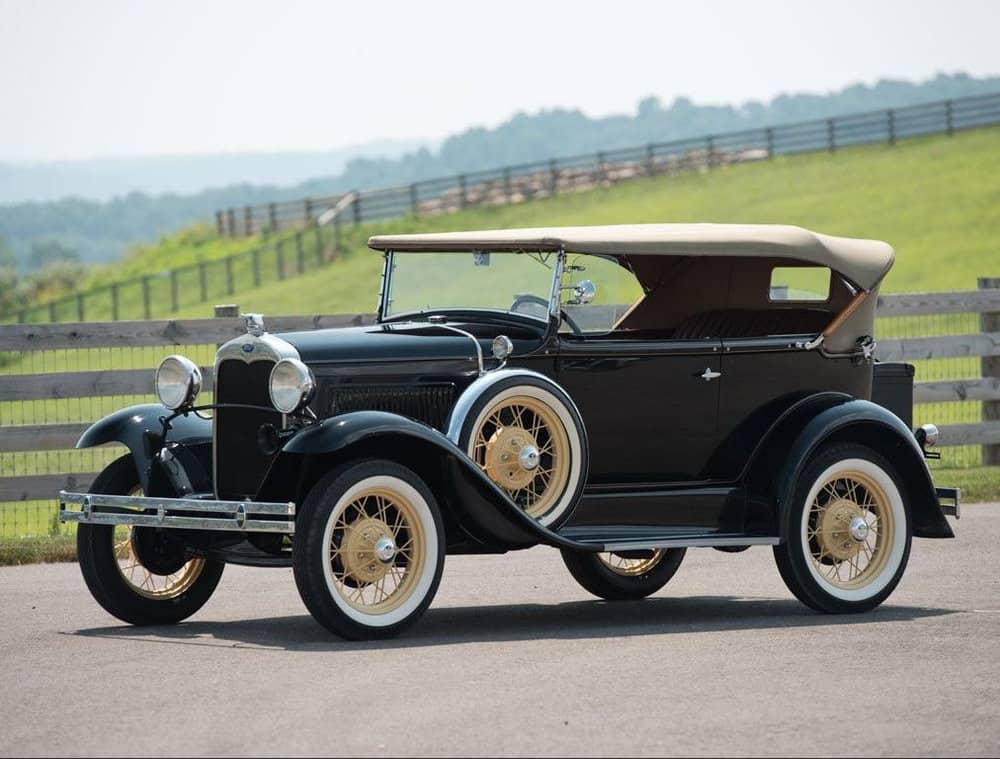
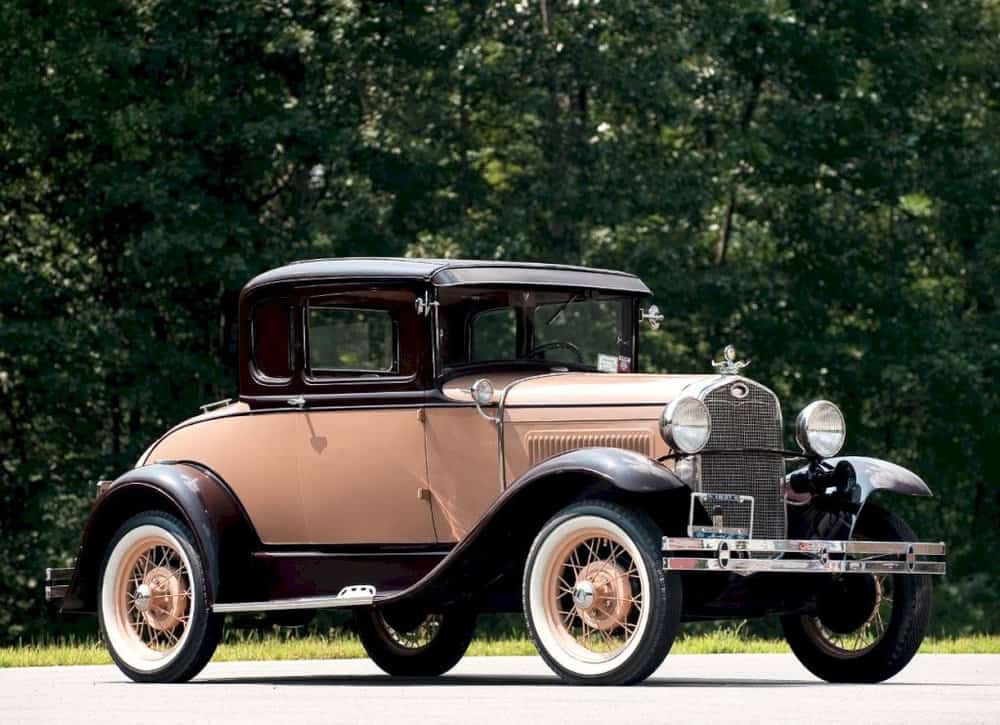
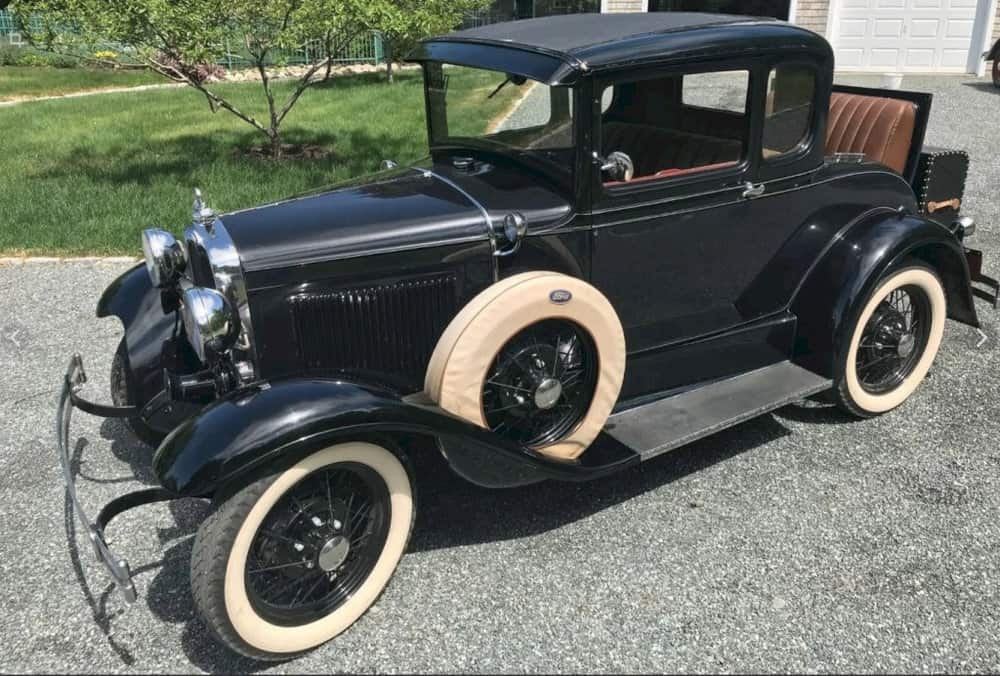
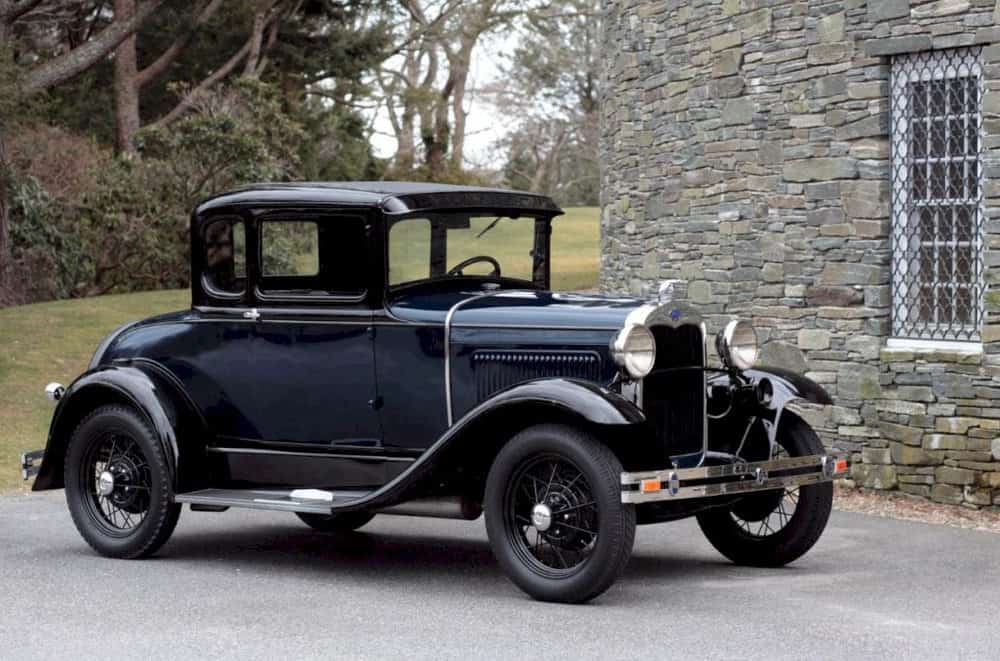
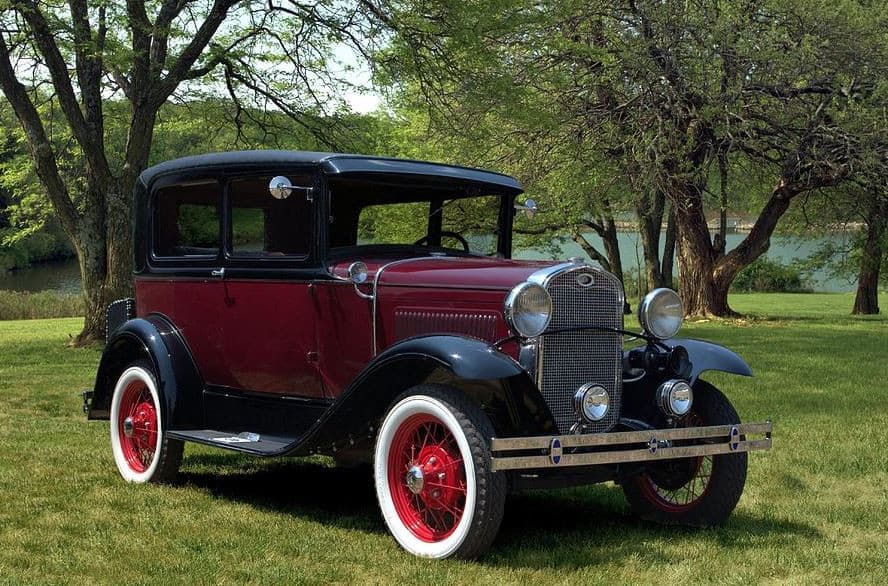
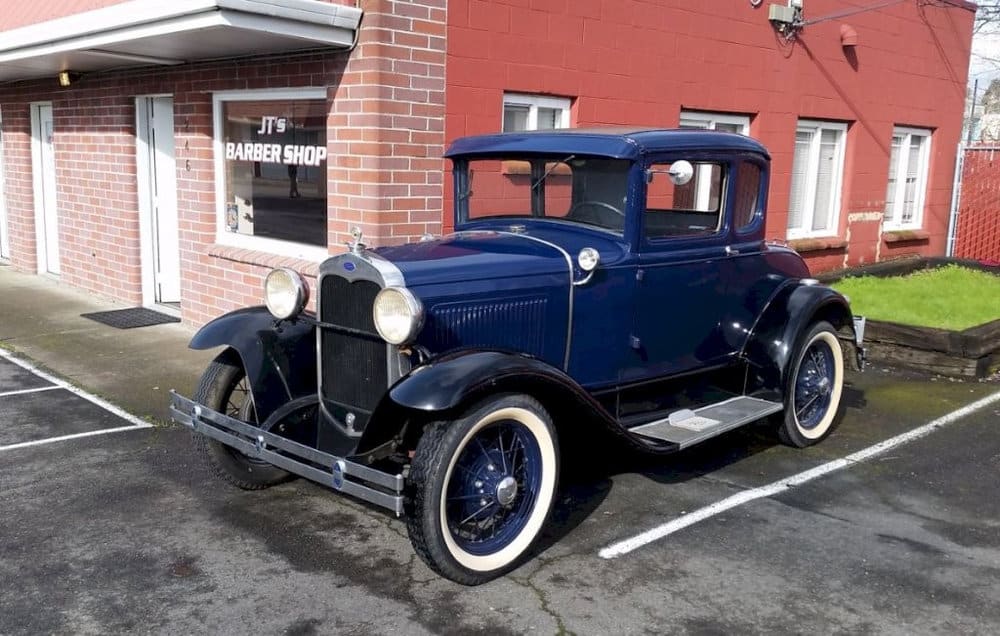
Its streamlined body, highlighted by curved fenders and a distinct radiator grille, signaled a departure from the boxy aesthetics of yesteryears.
Additionally, advancements like sliding-gear transmission and hydraulic shock absorbers enhanced driving experience and comfort.
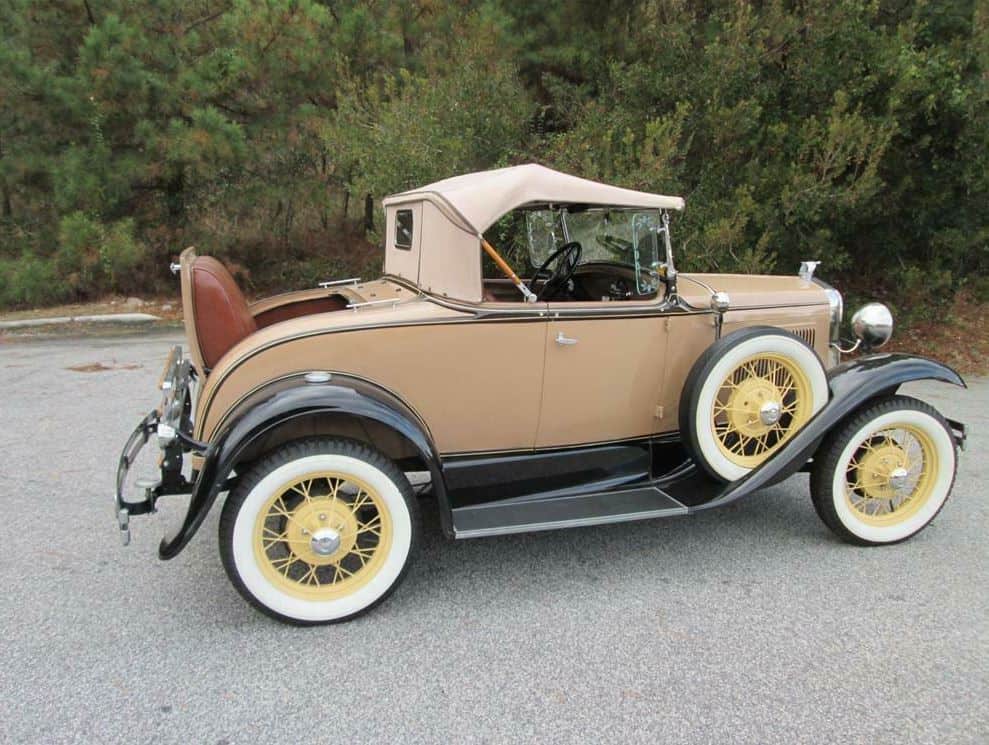
Exterior: The Model A’s exterior exuded simplicity and elegance, with an all-steel body construction ensuring durability.
Offering various body styles and color options provided consumers with a customizable experience, while electric lighting improved visibility and safety on the roads.
Interior: Inside, the Model A prioritized comfort and convenience, offering spacious cabin space and intuitive dashboard controls.
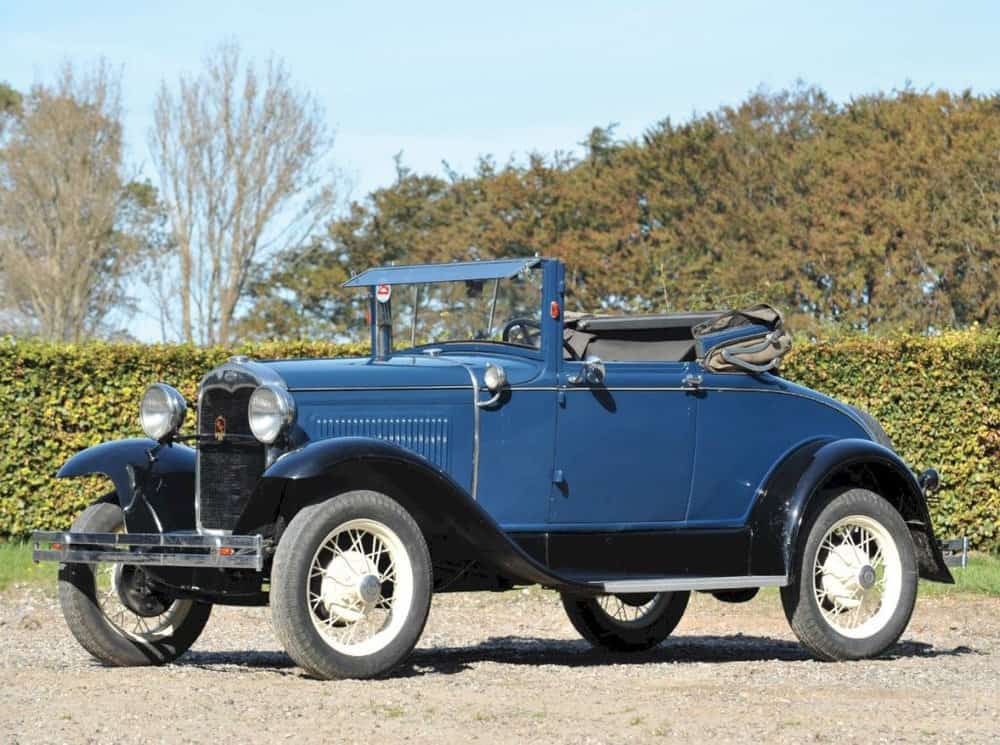
Optional luxuries like rearview mirrors and heaters elevated the driving experience, catering to diverse consumer needs.
Mechanical Design: Beneath the hood, the Model A boasted mechanical innovations, including a detachable cylinder head for easier maintenance and a sliding-gear transmission for smoother gear changes.
Equipped with four-wheel mechanical drum brakes, it emphasized safety without compromising performance.
3. Engine and Performance
Powered by a robust inline 4-cylinder engine, the Model A delivered 40 horsepower, enabling top speeds of 60-65 mph.
Its fuel-efficient design and advancements in transmission and suspension offered a smooth and reliable driving experience, setting a new standard for performance in its era.
4. Enduring Legacy
Despite its brief production span, the 1930 Ford Model A left an indelible mark on the automotive landscape.
Its innovations paved the way for future advancements in design and technology, cementing Ford’s reputation as an industry leader.
Today, the Model A continues to captivate enthusiasts and inspire modern automakers, attesting to its timeless appeal and enduring legacy.
In essence, the 1930 Ford Model A transcends its status as a classic car; it symbolizes a testament to innovation and ingenuity, shaping the course of automotive history for generations to come.
Read more Classic Cars News.
