
A baby monkey facing a camera or a lion cub being held by a person can look harmless in a short video. But the clip rarely shows where the animal came from, how it is kept, or what happens when recording stops. Researchers and animal-welfare organizations warn that views, likes and advertising revenue can reward content built around wild animals kept as pets, handled as photo props or subjected to staged “rescues.”
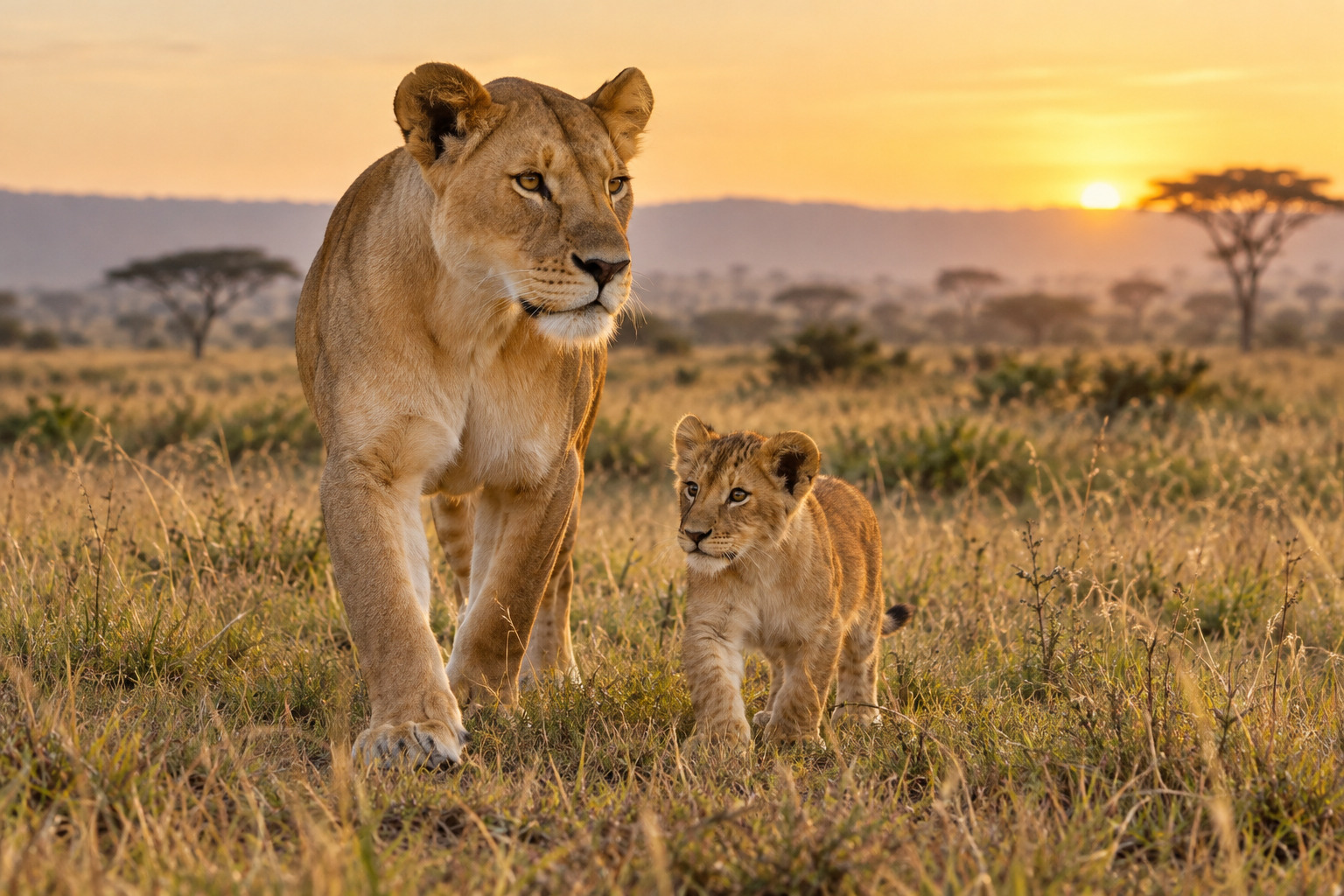
This is a documented global problem, but it is important not to invent a story about an unidentified animal in a viral image. Without a verified source, location and chronology, a viewer cannot determine from one frame whether a particular animal was captured from the wild, bred in captivity, legally held or directly abused.
What the evidence shows
The Social Media Animal Cruelty Coalition documented 1,226 links posted between September 2021 and March 2023 that showed macaques kept as pets. The coalition reported content ranging from infant monkeys dressed or handled like human babies to material depicting clear danger and abuse. A separate review of wild animals portrayed as pets recorded 840 links across major platforms during a monitoring period in 2022.

Online attention can affect demand as well as welfare. TRAFFIC’s research has repeatedly found social networks being used to advertise live wild animals and wildlife products. In a 2024 study of online cheetah trade, nearly half of the URLs examined clearly indicated an intention to trade live cheetahs, and 70 percent of all identified URLs were on social-media platforms.
CITES—the international convention governing trade in threatened wildlife—also recognizes wildlife crime linked to the internet as an enforcement challenge. It calls on governments to strengthen regulation of legal online wildlife trade while tackling illegal activity.
Why a “cute” clip can be misleading
Wild infants depend on species-specific care, social groups, space and opportunities to develop normal behavior. A few calm seconds on camera do not establish that those needs are being met. Repeated human handling, costumes, unnatural feeding, isolation from the mother or forced interactions may be hidden outside the frame.
Some videos also blur the line between entertainment and commerce. An account that attracts followers with an exotic pet may later direct viewers toward private messages, breeders, paid encounters or animal sales. Not every wildlife video is evidence of trafficking, but platforms can make sellers and potential buyers easier to connect.
How viewers can avoid rewarding exploitation
- Do not automatically like, follow or reshare content showing wild animals as pets or props.
- Look for a clearly identified, accredited rescue, sanctuary, zoo or conservation organization and check its claims independently.
- Be cautious when a “rescue” is filmed perfectly from the beginning, repeated in similar scenarios or designed mainly for shock and suspense.
- Use the platform’s reporting tools when content appears to show abuse, illegal sales or dangerous handling.
- Never arrange to buy a wild animal through a social-media account.
Social media can help conservation when it documents wildlife responsibly and connects audiences with credible organizations. The problem begins when an animal’s captivity, fear or commercial value becomes the engine for engagement. A viewer cannot see everything behind a viral clip, but choosing not to reward suspicious content removes one incentive to produce more of it.
Sources
- CITES: Wildlife crime linked to the Internet.
- TRAFFIC: Online and international trade in live cheetahs.
- World Animal Protection and SMACC: The Cruelty You Don’t See.
- World Animal Protection: Wild animals kept as pets are suffering for “likes”.
- World Animal Protection: How social media fuels wildlife exploitation.
